Product
Red Lentils (Masoor Dal)
Send an Enquiry
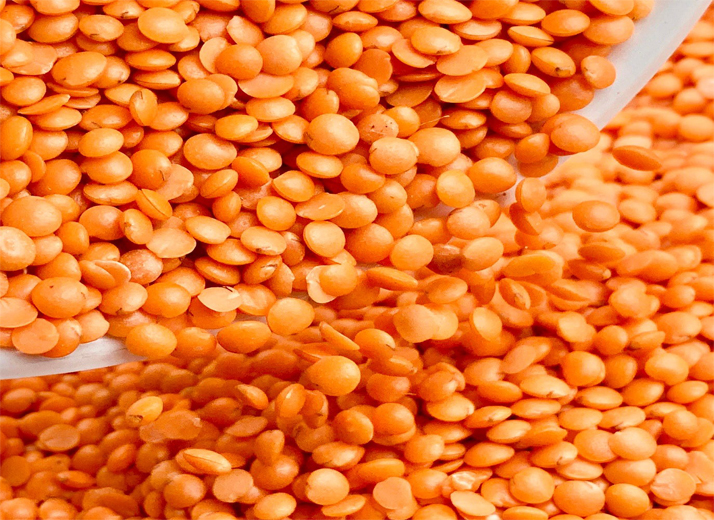
Red lentils, also known as Masoor Dal, are one of the most popular and widely consumed types of lentils, especially in South Asian cuisine. Derived from the Lens culinaris plant, red lentils are small, lens-shaped legumes that are typically split and hulled, giving them their distinctive orange-red color and making them quick to cook. They are prized for their soft texture and mildly sweet, earthy flavor, which makes them ideal for soups, stews, and dals. Nutritionally, red lentils are an excellent source of plant-based protein, dietary fiber, iron, folate, and essential B vitamins, making them a key dietary component for vegetarians and vegans. They are low in fat and calories while being rich in complex carbohydrates, supporting digestive health and sustained energy. Red lentils are also known to help regulate blood sugar levels, support heart health, and contribute to muscle repair and immune function. In culinary uses, they require no soaking and cook relatively quickly, breaking down into a creamy consistency that thickens dishes naturally. From a commercial standpoint, red lentils are cultivated in countries such as India, Canada, Turkey, and Australia and are a major export crop due to their long shelf life, nutritional value, and demand in global markets. Their role in both traditional diets and modern health-conscious cooking continues to grow, reinforcing their importance as a sustainable and nutritious food source.
Health Benefits of Red Lentils (Masoor Dal)- High in Protein
- Rich in Dietary Fiber
- Supports Heart Health
- Low in Fat and Calories
- Boosts Energy Levels
- Supports Muscle and Tissue Repair
- Rich in Antioxidants